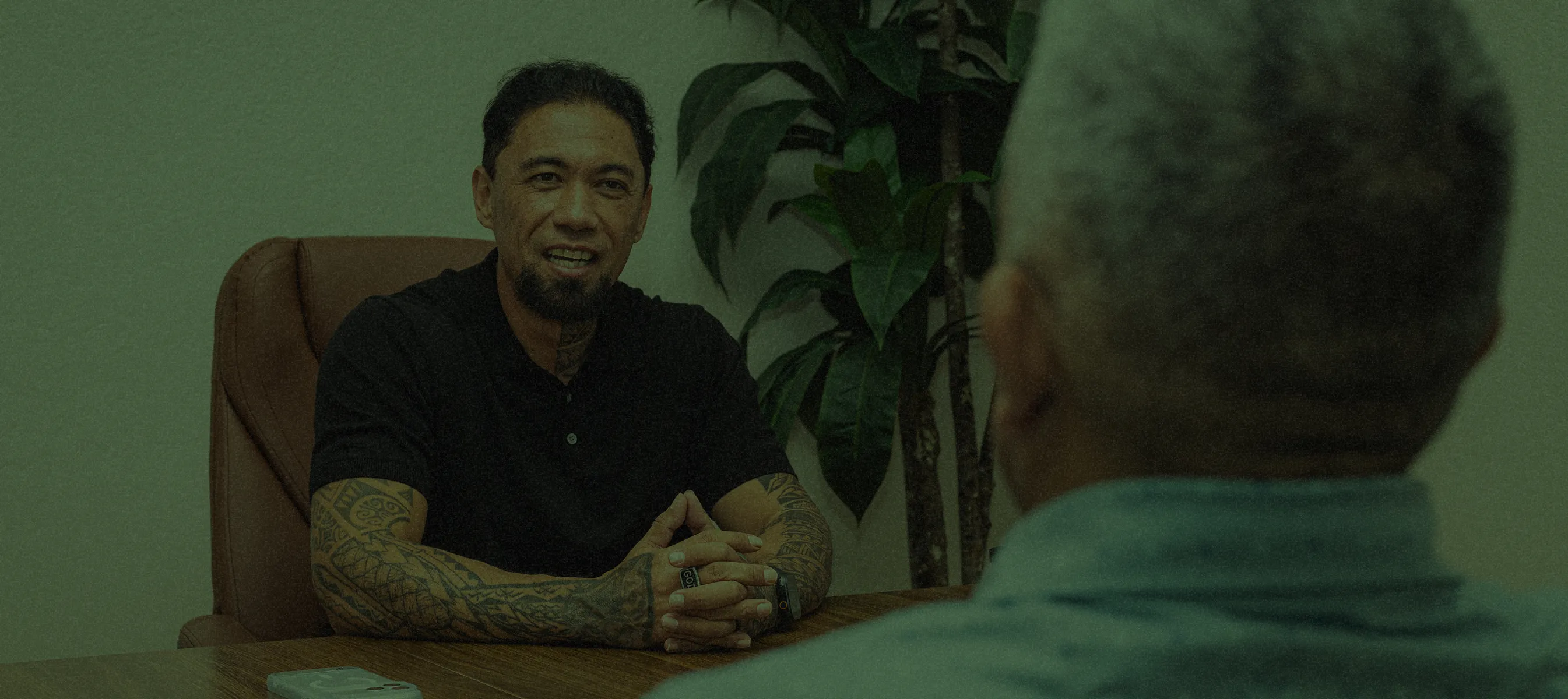


The Power of Community in Recovery

“Recovery is not a solo journey. It’s a collective effort that thrives in the soil of community support, shared understanding, and mutual accountability.”
Recovery from addiction is often portrayed as an individual journey of willpower and determination. While personal commitment is essential, research and lived experience consistently show that sustainable recovery happens best within a supportive community. Understanding and building these connections can be the difference between struggling alone and thriving together.
Why Community Matters in Recovery
Breaking the Isolation Cycle
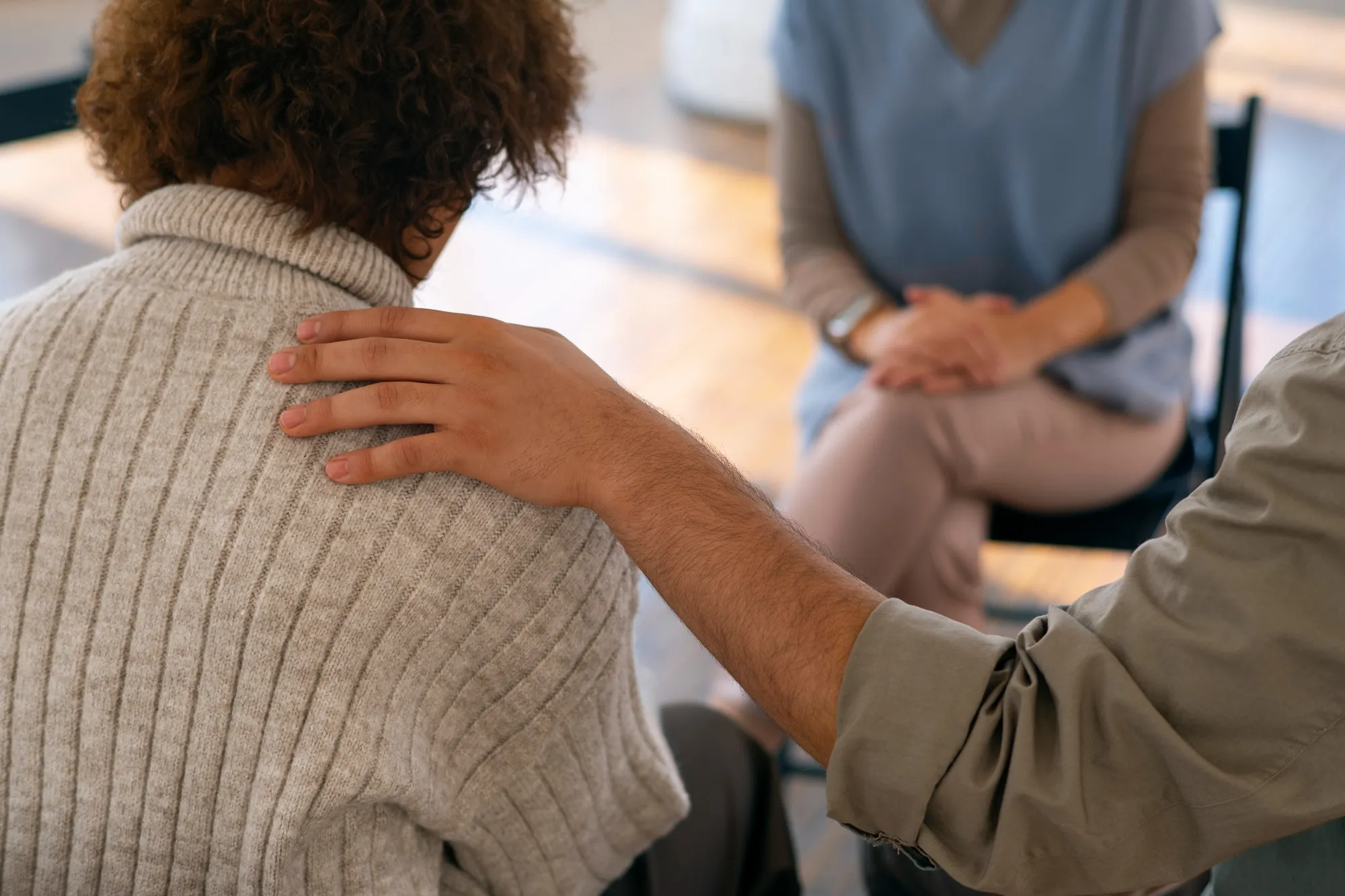
Addiction often thrives in isolation. The shame, guilt, and stigma surrounding substance use disorders can lead people to withdraw from relationships, cutting themselves off from the very connections that could provide support and healing.
Community breaks this cycle by providing a safe space where individuals can share their experiences without judgment, learn that they’re not alone in their struggles, and witness the recovery of others who have walked similar paths.
Research Shows:
• People with strong social support are 2-3x more likely to maintain long-term recovery
• Community involvement reduces relapse rates by up to 40%
• Social connections improve mental health outcomes and overall quality of life
• Peer support is as effective as professional counseling for maintaining abstinence
Shared Understanding and Validation
One of the most powerful aspects of recovery communities is the shared understanding that comes from lived experience. While family and friends may offer love and support, there’s something uniquely healing about connecting with others who truly understand the challenges of addiction and recovery.
This validation helps individuals realize that their experiences are normal parts of the recovery process, reducing feelings of shame and self-blame that can trigger relapse.
Types of Recovery Communities
Formal Support Groups
• Alcoholics Anonymous (AA)
• Narcotics Anonymous (NA)
• SMART Recovery
• LifeRing Secular Recovery
• Women for Sobriety
• Refuge Recovery
Professional Communities
• Group therapy sessions
• Intensive Outpatient Programs (IOP)
• Sober living houses
• Recovery coaching groups
• Therapeutic communities
• Alumni programs
Digital Communities
• Online support forums
• Recovery apps with community features
• Virtual meeting platforms
• Social media recovery groups
• Podcast communities
• Video support groups
High-Risk Situations:
• Purchasing pills from non-medical sources
• Using any illicit substances
• Mixing substances
• Using alone without supervision
• Returning to use after a period of abstinence
Building Your Recovery Community
Start Where You Are
Building a recovery community doesn’t happen overnight, and it doesn’t require dramatic changes to your entire social circle. Start by identifying one or two types of support that feel manageable and authentic to you.
Getting Started Tips:
Listen before sharing: Attend meetings or groups as an observer first
Try different options: Not every group will be the right fit
Be patient: Building trust and connections takes time
Focus on consistency: Regular attendance builds relationships
Stay open-minded: Community comes in many different forms
Overcoming Common Barriers
Many people in early recovery face barriers to community involvement. Recognizing and addressing these challenges is an important part of building sustainable support systems.
Common Barriers:
• Social anxiety or fear of judgment
• Scheduling conflicts or transportation
• Past negative experiences with groups
• Feeling different or not belonging
• Pride or reluctance to ask for help
Solutions:
• Start with online groups if in-person feels overwhelming
• Ask about transportation assistance programs
• Try different groups until you find the right fit
• Remember that everyone was new once
• Consider one-on-one peer support to start
The Journey to Solutions Community Approach
At Journey to Solutions, we understand that community is not just helpful for recovery—it’s essential. Our approach recognizes that healing happens in relationship with others, and we work to connect individuals with multiple layers of support.
Multi-Layered Support
We believe in building communities that include professional support, peer connections, family involvement, and broader community engagement. This multi-layered approach ensures that individuals have support from various sources and perspectives.
Our Community Partners Include:
Treatment Communities:
• Infiniti Group treatment facilities
• The Well & Into Action Recovery Centers
• Alumni and family programs
Advocacy Communities:
• The Hopeaholics podcast community
• Pro Recovery Power events
• Voices for Awareness education programs
Creating Inclusive Spaces
True community in recovery must be inclusive and welcoming to people of all backgrounds, identities, and experiences. This means actively working to create spaces where everyone feels safe, valued, and supported in their recovery journey.
Whether someone is dealing with addiction to substances, behavioral addictions, mental health challenges, or supporting a loved one, our community approach recognizes that healing happens when people feel genuinely seen and accepted.
Giving Back: From Receiving to Contributing
One of the most powerful aspects of recovery communities is the opportunity to transform from someone who receives support to someone who provides it. This transition from “patient” to “helper” is often a crucial turning point in long-term recovery.
Benefits of Giving Back:
• Reinforces your own recovery by helping others
• Provides sense of purpose and meaning
• Builds self-esteem and confidence
• Creates deeper community connections
• Develops leadership and communication skills
Ways to Contribute
Community Building
• Organizing events
• Volunteer coordination
• Social activities
Advocacy
• Public speaking
• Policy advocacy
• Stigma reduction
Direct Support
• Sponsorship or mentoring
• Leading support groups
• Peer counseling
Sustaining Community Connection
Building community is just the beginning—maintaining these connections over time requires intentional effort and ongoing commitment. Like recovery itself, community involvement works best when it becomes a regular part of life rather than something you do only during crisis periods.
Long-term Community Strategies:
Regular participation: Maintain consistent involvement even when you’re feeling strong
Deepen relationships: Move beyond surface-level connections to build real friendships
Evolve your role: Take on new responsibilities as your recovery progresses
Stay connected during challenges: Reach out to your community during difficult times
Celebrate together: Share milestones and achievements with your community
Starting Your Community Journey Today
If you’re ready to build or strengthen your recovery community, remember that every journey begins with a single step. You don’t need to transform your entire social life overnight— start with one connection, one meeting, one conversation.
At Journey to Solutions, we’re here to help you find the community connections that work for your unique situation and recovery goals. Whether you’re just beginning your journey or looking to deepen existing connections, we can help you find your place in the broader recovery community.
Connect with Community Today
Ready to explore community options in your area? Our team can help connect you with support groups, treatment programs, and peer support opportunities that align with your needs and preferences.
Remember:
Recovery is not a destination but a journey, and like any meaningful journey, it’s better when shared with others who understand the path. Your community is waiting for you—take that first step to connect.
The Power of Community in Recovery

Ready to talk about what comes next?
You don’t need to have everything figured out. Start with a confidential conversation and we’ll help you find a path forward.